 Our Exclusive Offers
 Nordic baths
 Wooden spas
 Wooden saunas
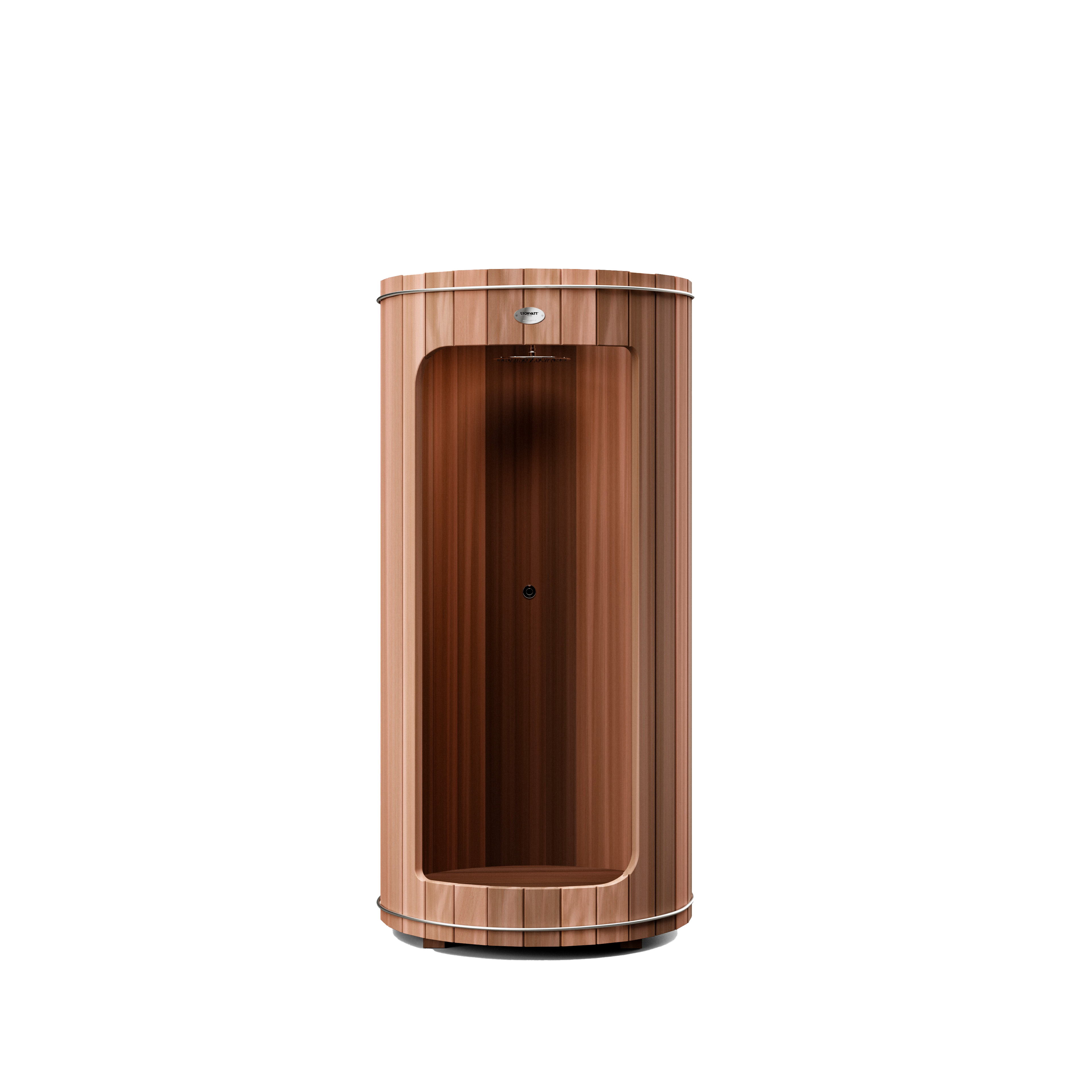 Wooden shower
 Accessories

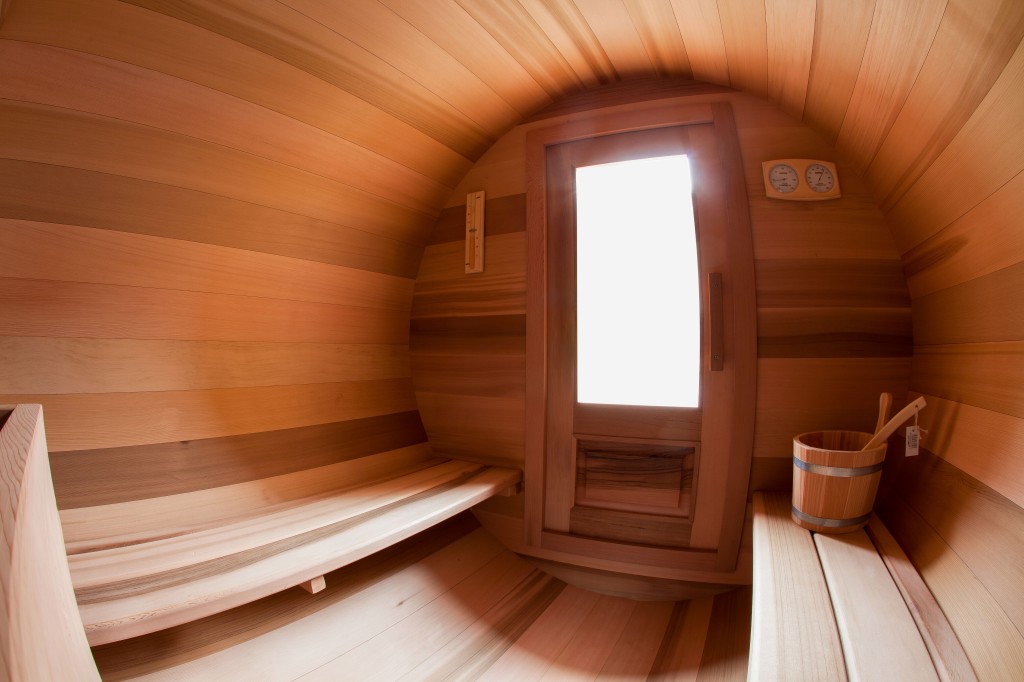
Imagine a cocoon of gentle heat at 85°C, the woody scent of red cedar, and the breath of löyly—the sacred steam born when water meets scorching stones. This is what a sauna is. More than just a wellness amenity, it’s a way of life inherited from 2,000 years of Nordic culture.
Sauna: Definition and Origin
What Exactly Is a Sauna?
A sauna is a wooden cabin heated to a temperature between 70°C and 100°C, where you take a dry heat bath. The humidity level is intentionally low, between 3% and 20%, which sets it apart from a hammam. This intense heat induces deep sweating, stimulates blood circulation, and promotes complete relaxation of the body and mind.
The word "sauna" comes from Finnish and refers to both the heated room and the practice itself. It is a social and family tradition dating back over 2,000 years in the Nordic countries. In Finland, there are currently more than 3 million saunas for a population of about 5.4 million, meaning almost one sauna per household. The Finnish sauna tradition was even inscribed on UNESCO’s Intangible Cultural Heritage list in 2020.
What Is the History of the Sauna?
The origins of the sauna trace back to Northern Europe over 2,000 years ago. The earliest saunas, called savu sauna (smoke saunas), were simple pits in the ground covered with animal skins, heated with hot stones. Over the centuries, these rudimentary structures evolved into small wooden cabins equipped with a stove.
The sauna was not just a place for cleanliness and relaxation; it served as a kitchen, a healing space, a birthing room, and even a sanctuary. For Finns, it is a sacred place, rich in culture and history.
Traditional Sauna vs. Infrared Sauna: What’s the Difference?
There are two main types of saunas:
- Traditional (Finnish) Sauna: Heat is generated by an electric or wood-burning stove that heats volcanic stones. The temperature reaches 70°C to 100°C with low humidity. By pouring water over the stones, you create löyly, a light steam that intensifies the sensation of heat.
- Infrared Sauna: Panels emit infrared waves that directly heat the body without warming the surrounding air. The temperature remains milder, between 40°C and 60°C, but achieves comparable detoxifying effects.
At Storvatt, our outdoor wooden saunas are 100% Nordic-inspired, crafted from Red Cedar and equipped with high-end stoves.
How Does a Sauna Work?
Step-by-Step Sauna Operation
The heart of a traditional sauna is its stove and volcanic stones (kiuaskivi). Here’s how it works:
- Heating: The electric or wood-burning stove heats the volcanic stones to very high temperatures (up to 300°C for the stones themselves). Preheating takes 30 to 60 minutes for a wood-burning stove and slightly less for an electric model.
- Temperature Rise: The ambient air in the cabin gradually warms up to the desired temperature, usually between 80°C and 90°C.
- Löyly: Pouring a ladle of water over the hot stones creates a light steam that temporarily increases humidity. The sensation of heat intensifies, pores open wider, and sweating accelerates.
- Regulation: The higher you sit on the benches, the more intense the heat (hot air rises). Lower benches are ideal for beginners.
Wood-Burning Sauna vs. Electric Sauna: Which to Choose?
| Feature | Wood-Burning Stove | Electric Stove |
|---|---|---|
| Atmosphere | Authentic, crackling fire | Modern, silent |
| Heating Time | 30 to 60 minutes | 20 to 40 minutes |
| Control | Manual (adding logs) | Precise thermostat |
| Ideal For | Outdoor sauna, natural setting | Indoor or outdoor sauna |
| Maintenance | Requires wood supply | Minimal |
Storvatt saunas are available with both types of stoves. We exclusively select high-end Tylo stoves for their reliability, safety, and heating quality.
What Is the Purpose of a Sauna? Proven Benefits
What Are the Health Benefits of a Sauna?
The benefits of sauna are recognized and documented by numerous scientific studies:
Cardiovascular Benefits: Heat causes blood vessels to dilate, increasing heart rate similar to moderate physical activity. A 2015 Finnish study, conducted over 21 years with 2,000 men, showed that the risk of heart attack is reduced by 22% for those using the sauna 2 to 3 times a week and by 63% for those using it 4 to 7 times a week.
Detoxification and Skin Purification: Intense sweating helps eliminate impurities and opens pores. The skin emerges cleaner, softer, and more radiant.
Muscle Recovery: Heat dilates blood vessels and improves oxygen supply to muscles. The sauna is particularly appreciated after exercise to speed up recovery and relieve muscle soreness.
Stress Reduction and Improved Sleep: The enveloping atmosphere of the sauna promotes the release of endorphins. The body relaxes, and the mind unwinds. Using the sauna in the evening helps you fall asleep more easily and improves sleep quality.
Immune Support: Heat mimics the effects of a mild fever, encouraging the body to produce more white blood cells and antibodies—a natural way to boost defenses.
Sauna vs. Hammam: What Are the Differences?
| Feature | Sauna | Hammam |
|---|---|---|
| Temperature | 70°C to 100°C | 40°C to 55°C |
| Humidity | 3% to 20% | 100% |
| Type of Heat | Dry | Humid |
| Origin | Finland | Turkey/Middle East |
| Sensation | Intense, purifying | Gentle, enveloping |
Both have their virtues, but the traditional sauna offers a more intense experience with better-documented cardiovascular effects.
How to Use a Sauna? Step-by-Step Ritual
How to Properly Have a Sauna Session?
A sauna session ideally takes place in several cycles to maximize benefits:
Before the Session:
- Take a quick shower to cleanse the skin and prepare the pores.
- Drink at least half a liter of water to stay hydrated before entering.
- Avoid eating heavily within two hours before the session.
In the Sauna:
- Stay 10 to 15 minutes inside (5 to 10 minutes for beginners). Do not exceed 20 minutes per session.
- Use a towel between you and the wooden bench for hygiene and comfort.
- The highest benches are the hottest: start at the bottom if you’re a beginner.
- Pour water over the stones to create löyly and intensify the experience.
After Each Session:
- Exit and cool down gradually: start with your feet and move upward with a cold shower or cold bath.
- Rest for 10 to 20 minutes to allow your body to return to normal temperature.
- Hydrate well between sessions.
Complete Cycle: Repeat 2 to 3 sessions. It’s this hot/cold alternation that concentrates most of the sauna’s benefits.
How Often Should You Use a Sauna?
What Is the Ideal Frequency?
The frequency recommended by experts is 2 to 3 sessions per week to fully enjoy all the benefits: improved cardiovascular health, toxin elimination, stress reduction, and better sleep. This is the optimal rhythm that allows the body to recover between sessions while maintaining the beneficial effects.
For beginners, start with 1 session per week and gradually increase based on how you feel.
Here’s how to adjust your sessions according to your frequency:
- 1 time per week: Plan for 3 sessions (about 1.5 hours total).
- 2 to 3 times per week: 1 to 2 sessions per visit (about 50 minutes).
- 4 times or more: 1 session is sufficient (about 40 minutes).
Having your own sauna at home—like a Storvatt sauna in your garden—makes this routine infinitely easier. No need to travel or make reservations: your Nordic ritual is available anytime, all year round.
Are There Any Contraindications for Sauna Use?
The sauna is safe for most healthy adults. However, consult your doctor if you suffer from:
- Unstable heart disease or coronary pathologies.
- Medically treated high blood pressure.
- Pregnancy.
- Fever or ongoing infection.
Also, avoid alcohol before and during a session, as it increases the risk of dehydration and low blood pressure.
Outdoor Sauna Prices: What to Expect?
What Is the Price of an Outdoor Sauna?
The price of a quality outdoor sauna varies depending on materials, size, and equipment. At Storvatt, our outdoor wooden saunas start at €11,480, depending on the model and length selected.
This price reflects:
- 100% French craftsmanship in the Alps since 1997.
- Exceptional wood: Clear 2 Red Cedar, knot-free, naturally rot-resistant, requiring no treatment.
- High-end Tylo stoves (electric or wood-burning) included.
- Delivery and installation by our technicians, with the sauna arriving fully assembled.
- A 5-year warranty on the structure and a lifetime warranty against freezing (excluding machinery).
It’s also an investment in your daily life and the value of your outdoor space. A well-installed sauna enhances your property while providing a wellness space usable 365 days a year.
Storvatt Saunas: Nordic Soul, Made in France
Since 1997, Storvatt has designed and manufactured wooden saunas in the French Alps, drawing inspiration from the most authentic Nordic traditions. Each model is designed to blend harmoniously with your outdoor space, whether it’s a city garden or a mountain plot.
Our Outdoor Sauna Models
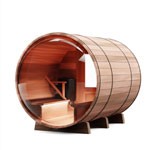
Classic Barrel Sauna: Round and cylindrical, entirely made of wood, it embodies pure Scandinavian tradition. Its barrel shape ensures optimal heat circulation. Available for 2 to 10 people.
Cap Sauna: A unique design with a cap that extends above the entrance for a contemporary look. For 2 to 10 people.
Vision Sauna: Featuring a panoramic plexiglass bubble, it transforms each session into a moment of total immersion in the landscape. Ideal for terraces with a view.
Horizon Sauna: With its large glass surface, it connects you to your surroundings—wooded garden, mountain, or lake. An open window to nature from within the warmth.
Traditional Sauna with Alcove: Designed for immersive experiences in this charming cocoon.
FAQ – Your Sauna Questions
What Is the Difference Between a Sauna and a Hammam?
A sauna produces dry heat (70°C to 100°C, 3% to 20% humidity), while a hammam operates with steam (40°C to 55°C, 100% humidity). The sensation is more intense in a sauna, with better-documented cardiovascular effects. The hammam is gentler and better suited for those sensitive to dry heat.
Can You Use a Sauna Every Day?
Yes, for healthy individuals who stay well-hydrated. However, the recommended frequency to optimize benefits without fatigue is 2 to 3 sessions per week. Beyond that, a single short session per visit is sufficient.
What Temperature Should You Set Your Sauna To?
For beginners, 70°C to 75°C is a good starting point. Regular users prefer 80°C to 90°C. Finns commonly practice at 90°C to 100°C. The higher you sit on the benches, the more intense the heat—the lower benches are always milder.
Should You Shower Before Entering the Sauna?
Yes, a quick shower before the session is recommended: it cleanses the skin, opens the pores, and prepares the body to sweat. Dry yourself well before entering, as a wet body tolerates dry heat less effectively.