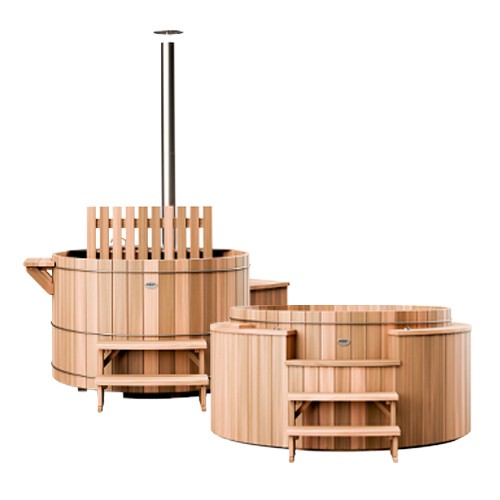
 Exclusives


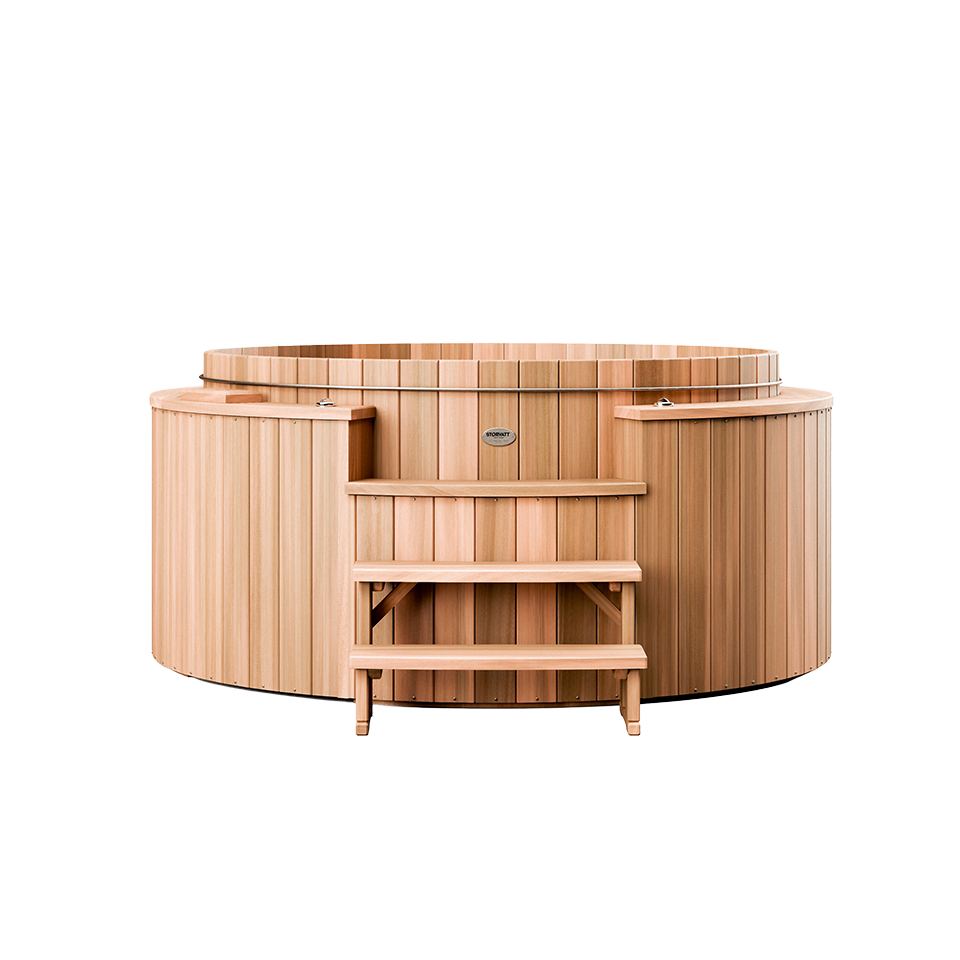 Wooden spas

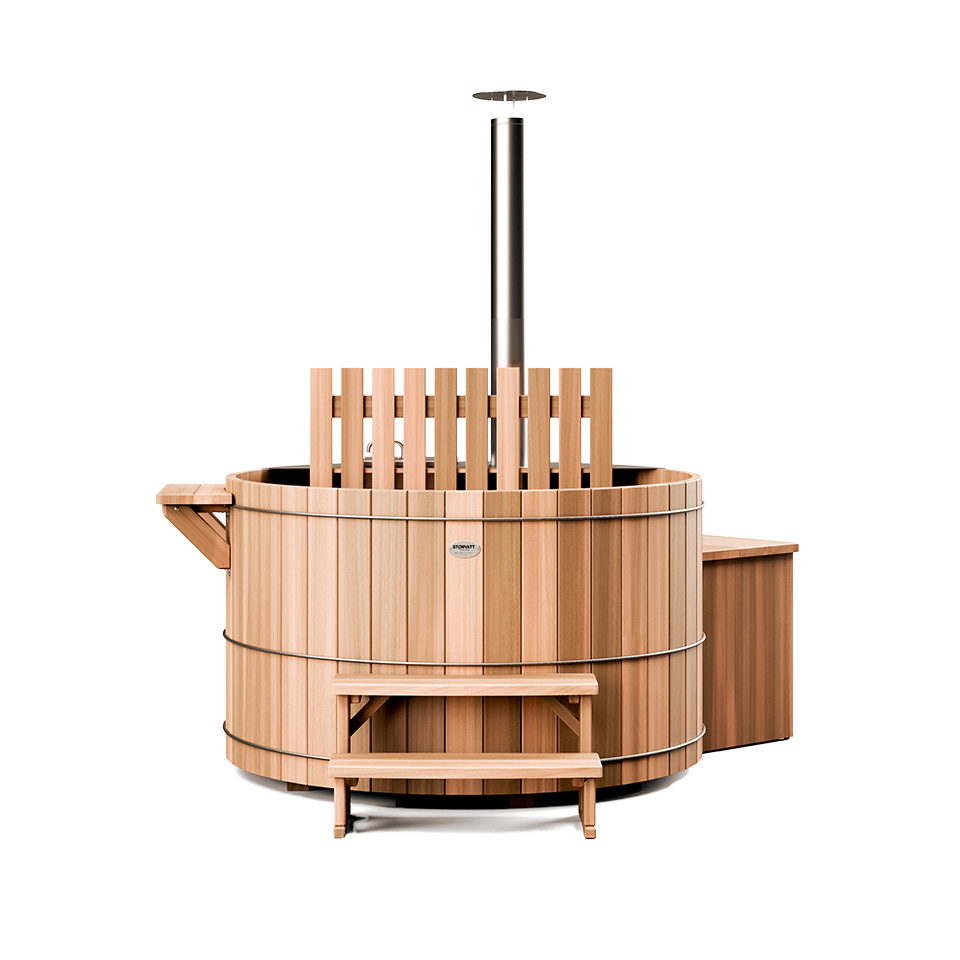 Nordic baths



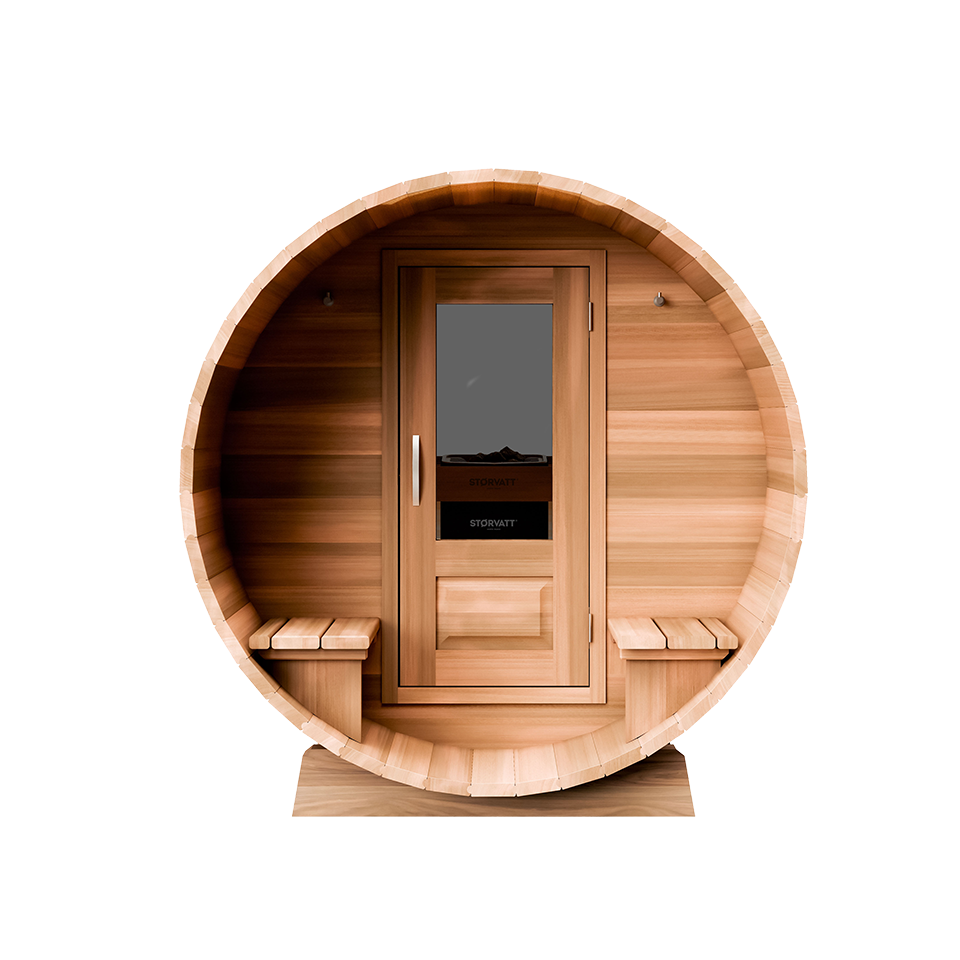 Wooden saunas
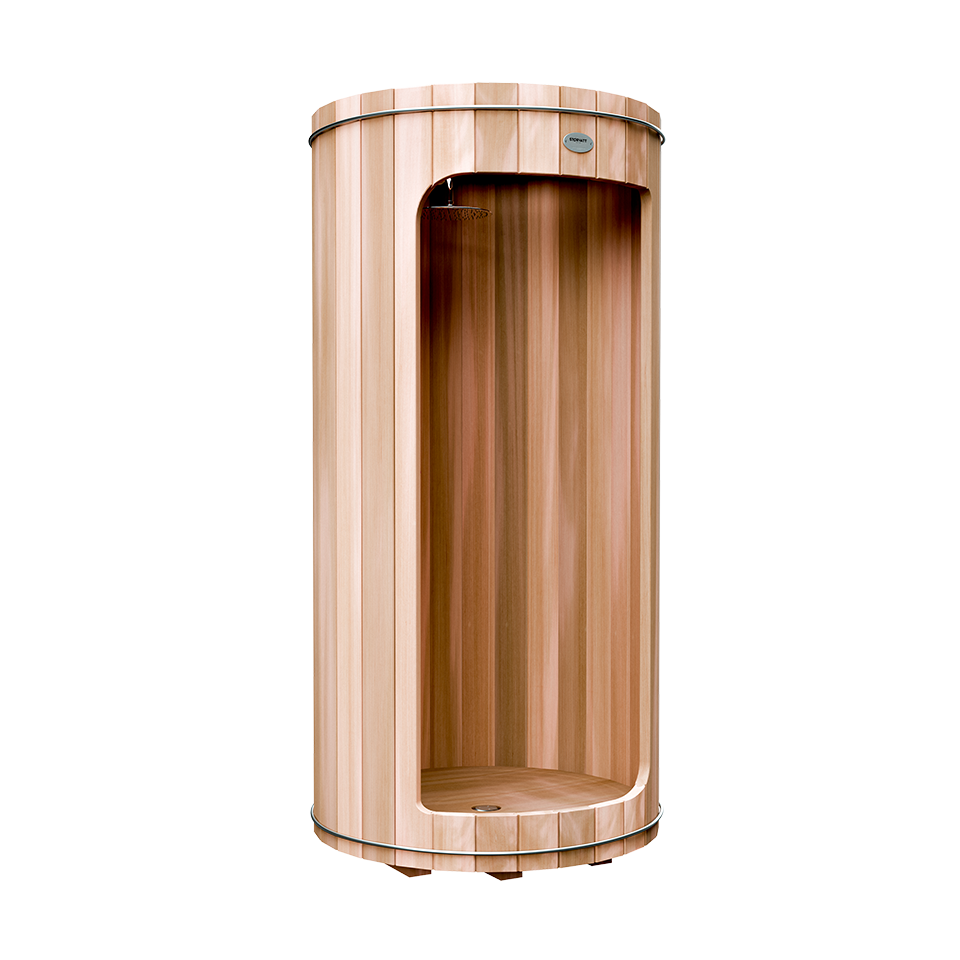 Douche en bois
 Accessories

What temperature should a sauna reach to get all the benefits without health risks? The short answer: between 70°C and 100°C for a wooden outdoor sauna, with 80°C as the ideal value for most users. But this range varies depending on your profile, the type of sauna used, and your level of experience.
Recommended sauna temperature: the main ranges
Before diving into the details, here is a quick reference table according to your user profile:
Profile | Recommended temperature | Duration per session |
|---|---|---|
Beginner | 60–70°C | 8–10 min |
Regular user | 75–90°C | 10–15 min |
Experienced user (Finnish) | 90–100°C | 15–20 min |
Child (3–12 years) | 50–60°C | 5–10 min max |
Senior / sensitive person | 65–75°C | 8–12 min |
Why is 80°C often the "sweet spot"? At this temperature, the body heats up quickly, sweating activates fully, and relaxing effects are felt. And this is without reaching an excessive level of thermal stress. It is the temperature that most public saunas in Finland maintain by default.
Humidity changes everything
Temperature alone is not enough to define the sauna experience. Humidity (air humidity level) radically changes the thermal sensation. A sauna at 90°C with 10% humidity will be more tolerable than a sauna at 70°C with 40% humidity.
This is where löyly comes in: the traditional gesture of pouring water on the hot stones. This water vaporizes instantly, raises humidity and intensifies the sensation of heat without touching the thermometer.
Temperature by sauna type
Not all saunas work the same way. The ideal temperature varies significantly depending on the type of installation.
Traditional Finnish sauna
This is the absolute reference. The Finnish sauna operates at 80–100°C, with low humidity (10 to 20%). The air is dry, the heat penetrates gradually, and the use of löyly allows you to adjust the intensity according to your preferences. This is the type of sauna with the most scientific evidence on its cardiovascular and muscular benefits.
Infrared sauna
The infrared sauna operates at much lower temperatures: 40 to 60°C. But do not be fooled, infrared heat penetrates directly into tissues without heating the surrounding air as much. The sensation is different, often described as softer and more enveloping.
Steam sauna (hammam)
The hammam operates at 40–50°C, but with humidity of 100%. The air is saturated with steam, which creates a sensation of suffocation much more intense than a dry sauna at 80°C. This type of sauna is particularly beneficial for the respiratory tract and skin.
Note: the hammam and sauna do not quite address the same audience. The sauna is more intense in terms of pure heat; the hammam acts more on breathing and skin hydration.
Outdoor sauna and Nordic bath
The outdoor sauna operates according to the same principles as the indoor Finnish sauna, with some particularities related to the environment. In winter, heating time is longer and thermal losses greater; plan 45 to 60 min of preheating.
The Nordic bath associated with the sauna operates in reverse: the bath water is maintained between 10°C and 15°C for thermal contrast. This hot/cold alternation is at the heart of Scandinavian practice, with documented benefits for muscle recovery and blood circulation.

Ideal temperature according to your profile
Beginners
If you have never practiced sauna, do not start at 90°C. Your body needs to adapt gradually to the heat. Start between 60 and 70°C, with sessions of 8 to 10 minutes maximum, then leave, rest for 10 minutes, hydrate yourself, and start again if you wish.
Warning signs to know: dizziness, nausea, heart palpitations, feeling of malaise. As soon as any of these symptoms appear, leave the sauna immediately and cool down slowly.
Children
Sauna is not recommended before age 3. Between 3 and 12 years, a maximum temperature of 60°C is recommended, with session duration limited to 5–10 minutes. Children regulate their body temperature less well than adults and can quickly suffer from hyperthermia without clearly feeling the signs.
Seniors and sensitive people
With age, the cardiovascular system adapts less quickly to thermal variations. A temperature of 65 to 75°C is recommended, with short sessions, and particular attention to hydration. People on medication (antihypertensives, anticoagulants, diuretics) must consult their doctor before any regular sauna practice.
Athletes
For post-workout muscle recovery, a temperature of 80 to 90°C is ideal. The sauna promotes the elimination of lactic acid, reduces soreness and improves muscle flexibility. The optimal timing is 30 to 60 minutes after training, once the body has begun to return to its normal temperature.
Warning: do not enter a sauna immediately after intense effort. The heart is already stressed and adding thermal stress can be counterproductive or even dangerous.
Duration and temperature: a pair not to separate
Temperature and duration are inseparable. The higher the temperature, the shorter the session should be. Here is a practical benchmark:
Temperature | Maximum recommended duration |
|---|---|
60°C | 20 min |
70°C | 15 min |
80°C | 12–15 min |
90°C | 10 min |
100°C | 8 min max |
In practice, 2 to 3 passes per session are ideal, interspersed with 10 to 15 minutes of rest at room temperature. Between each pass, remember to rinse off with lukewarm water (not cold all at once if you are a beginner) and drink water.
Recommended weekly frequency: 2 to 4 sessions per week to reap lasting benefits for cardiovascular and muscular health. Daily practice is possible for regular users, provided sessions remain moderate in duration.
How to adjust and control your sauna temperature?
The right measurement equipment
A sauna thermometer is essential to know the actual temperature of your cabin. Place it at head height when you are sitting (approximately 1.20 m to 1.50 m) because the difference between ceiling and floor can reach 20 to 30°C in a hot sauna.
Combine it with a hygrometer to measure humidity level. This pair allows you to understand precisely what you are feeling and adjust the löyly accordingly.
Preheating time
Heating time depends on the power of the heater (in kW) and the volume of the cabin:
Small cabin (2–3 seats, 4–6 m³) with 6 kW heater: 25–35 min
Medium cabin (4–5 seats, 8–10 m³) with 8–9 kW heater: 35–45 min
Large cabin or outdoor sauna: 45–60 min
Do not shorten the preheating time: barely warm stones will produce a disappointing löyly and unstable heat.
The art of löyly
Pour water on the stones in small quantities (1 to 2 ladles at a time), not in one large jet. This creates progressive and well-distributed steam. Use pure water, and why not a few drops of eucalyptus or birch essential oil for an aromatic effect.
After each löyly, the felt temperature rises by about 5 to 10°C for a few minutes, before dropping slightly. It is this natural rhythm that structures a good sauna session.
Mistakes to avoid with sauna temperature
Rising too quickly in temperature from the first session
Your body must adapt gradually. Starting at 90°C without prior experience is taking the risk of running out after 3 minutes; or worse, fainting.
Staying too long even at low temperature
Cumulative heat is insidious. Even at 65°C, staying 30 minutes without a break can cause mild hyperthermia. Follow recommended durations and listen to your body.
Not hydrating
A sauna session can cause you to lose between 0.5 and 1.5 liters of water through perspiration. Drink water before, during breaks and after. Avoid alcohol, which increases dehydration and disrupts thermoregulation.
Confusing air temperature with actual sensation
A sauna at 80°C with 40% humidity after several successive löylys can feel much more intense than a sauna at 90°C and 10% humidity. Trust your sensation as much as the thermometer.
Showering in cold water abruptly upon exit (for beginners)
Thermal contrast is beneficial, but a sudden transition from hot to very cold can cause rapid vasoconstriction and heart stress. Start with lukewarm water, then gradually cooler.
A red cedar sauna, made for you
A manufacturer since 1997, Størvatt designs its wooden saunas in the French Alps. We help you choose the model suited to your needs, or welcome you to our showroom in Megève.
Frequently Asked Questions About Sauna Temperature
Find answers to the most common questions about adjusting and using your sauna.
What is the maximum temperature of a sauna?
For domestic use, 100°C is the reasonable maximum. Finnish sauna competitions sometimes reached 110°C, but this extreme practice was abandoned following serious accidents. For regular and healthy use, stay between 80 and 95°C.
Is 60°C enough to sweat?
Yes, absolutely. Sweating begins at 50–55°C in a dry sauna. At 60°C, you will sweat abundantly, especially if you add löyly to increase humidity. This temperature is ideal for beginners or longer sessions.
How long does it take to heat a sauna to 80°C?
On average, 30 to 45 minutes for a standard-sized cabin with a properly sized stove. The first heating after a long period of disuse may take a bit longer, as it takes time for the stones and walls to properly accumulate heat.
Can you use the sauna daily at 90°C?
Finnish studies (notably those from the University of Kuopio) suggest that 4 to 7 sessions per week are associated with a significant reduction in cardiovascular risks. Daily use is therefore possible for regular users. On the condition of maintaining good hydration and not exceeding excessive durations per session.
Can sauna temperature be too low to be effective?
Below 50°C, the effects of traditional sauna are greatly reduced. Sweating is insufficient and the body does not reach the core temperature necessary to trigger cardiovascular benefits and muscle recovery. If your sauna struggles to exceed 50–55°C, check the power of your heater, the cabin insulation, and the preheating time.