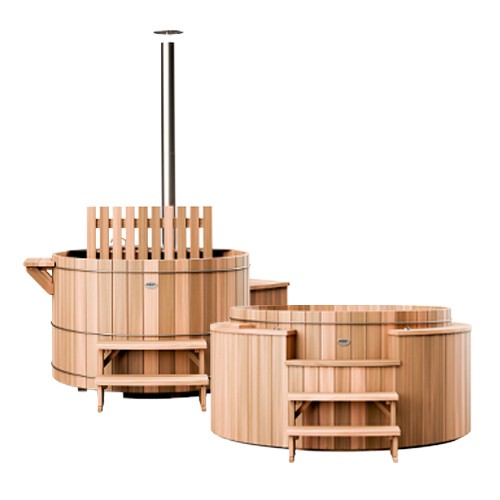
 Exclusives


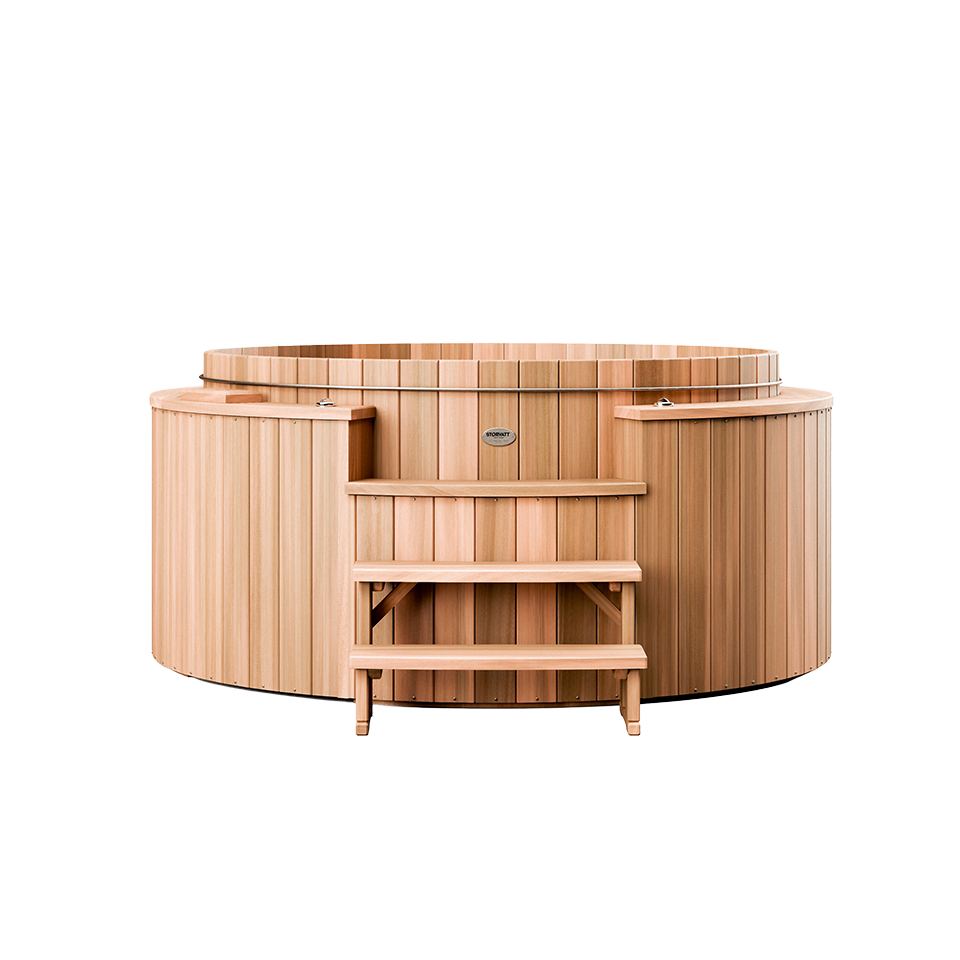 Wooden spas

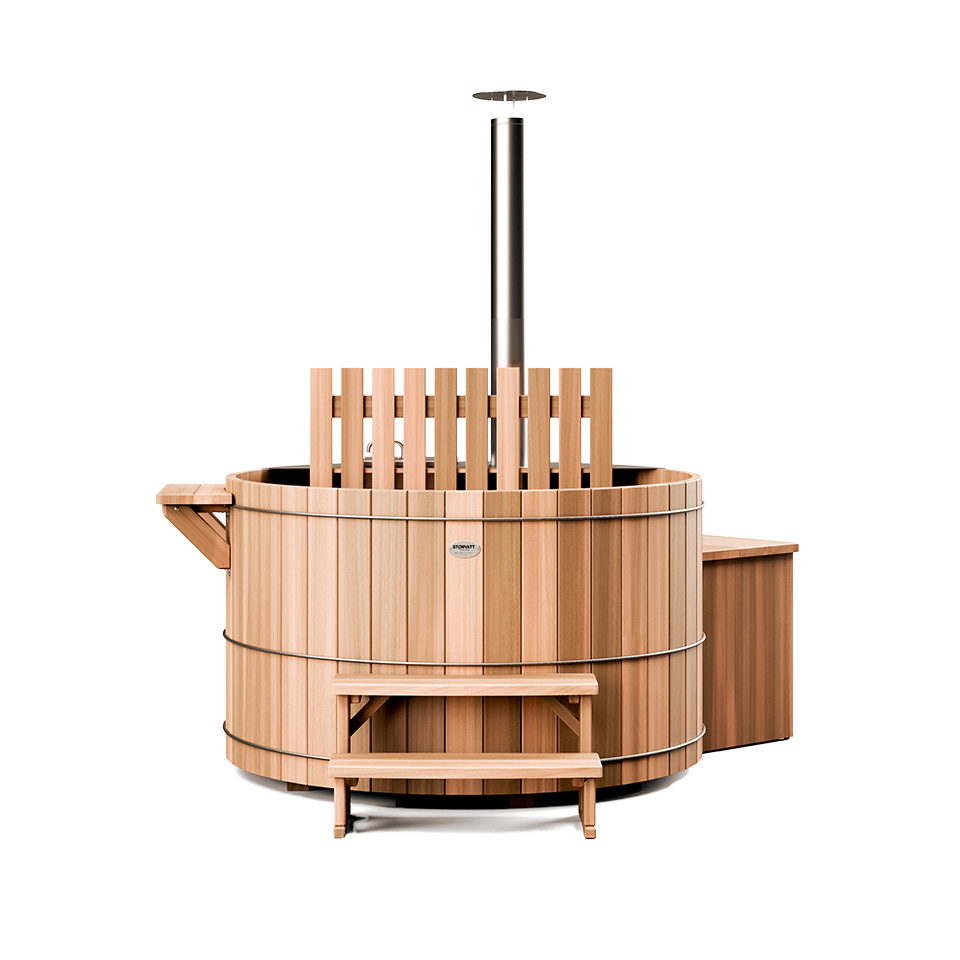 Nordic baths



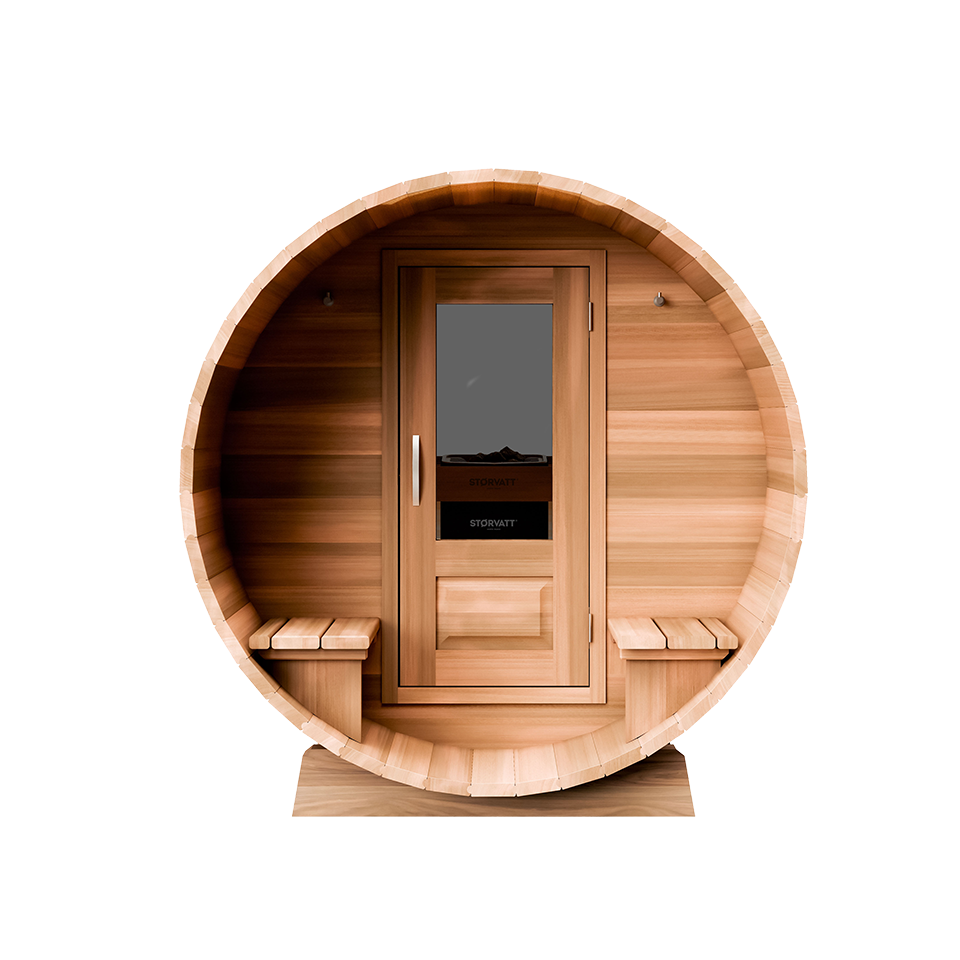 Wooden saunas
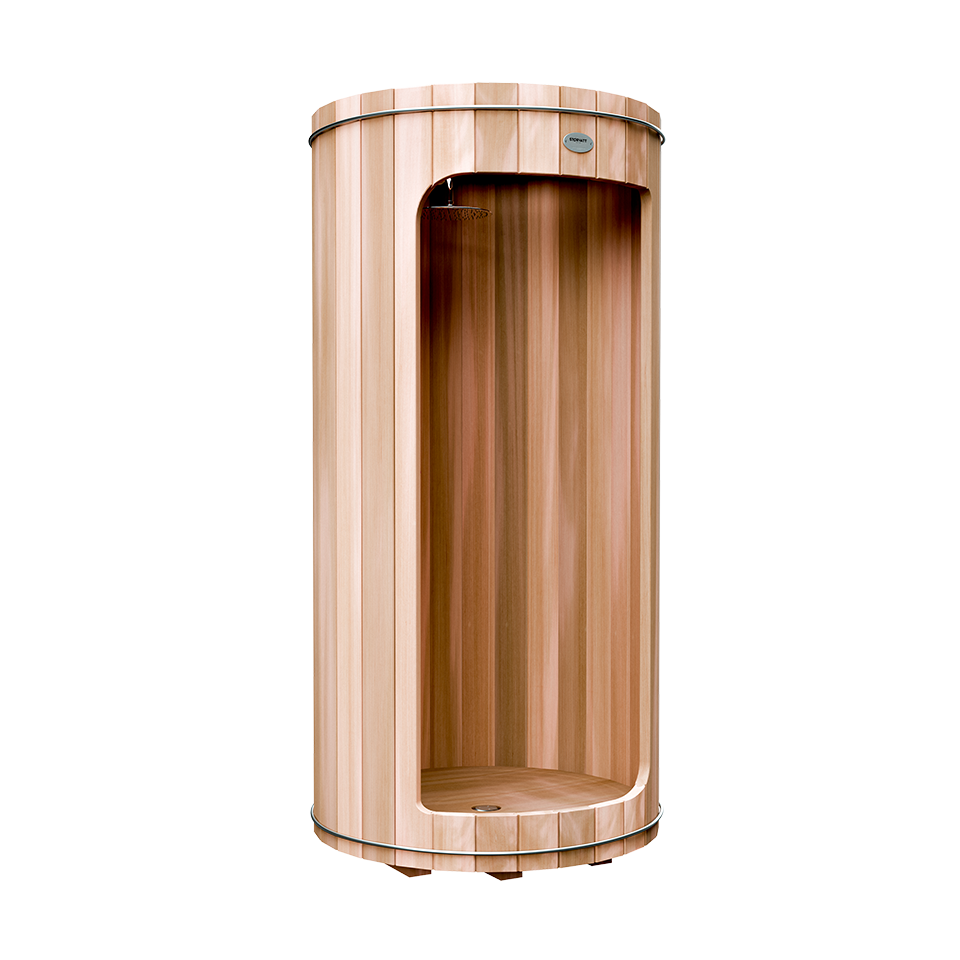 Douche en bois
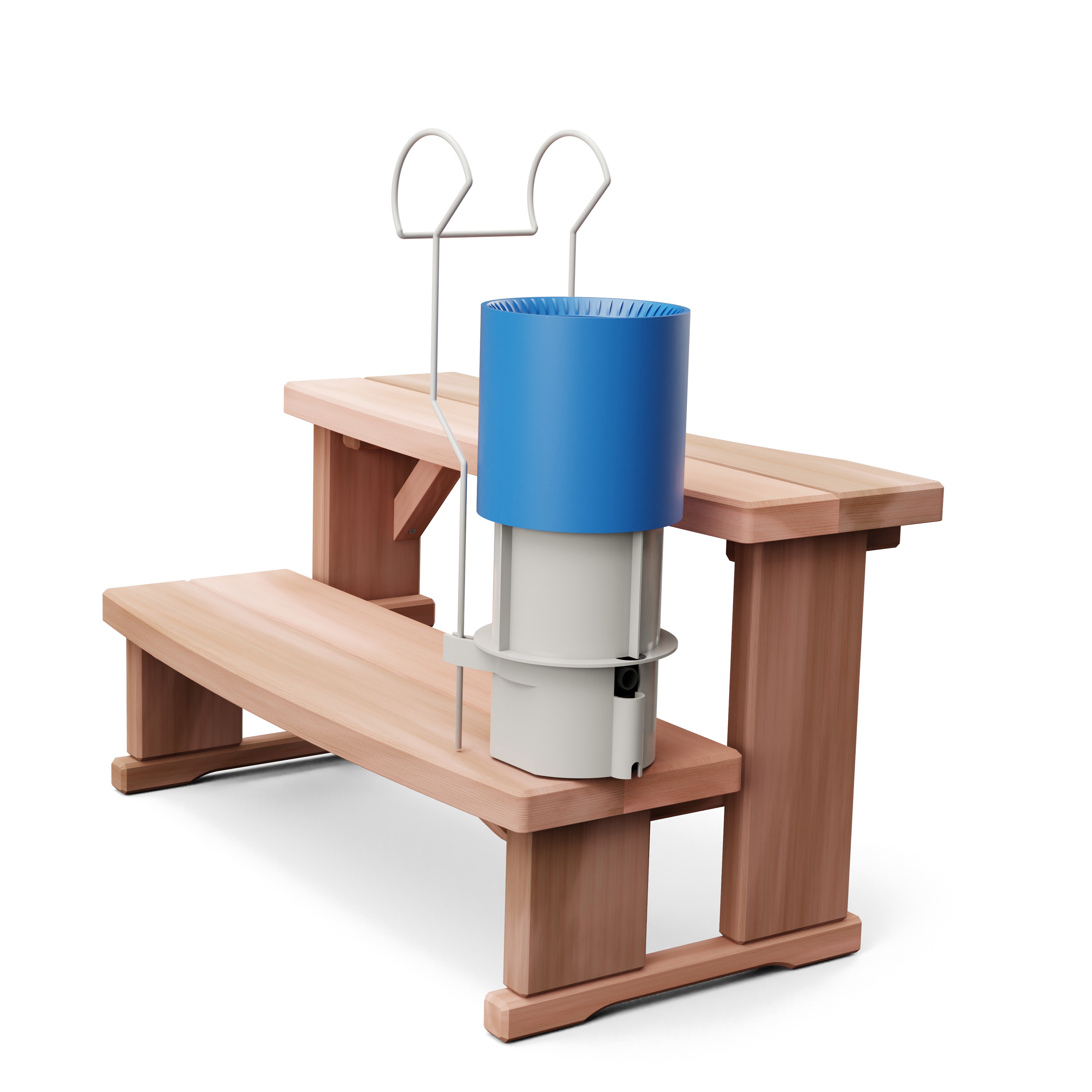 Accessories
Before installing a wooden Nordic bath or a wooden spa in your garden, one question always comes up, and it's a legitimate one: how much will this cost each month? Relaxation is nice, but no one wants an unpleasant surprise on their bill. The good news: the heat pump was precisely designed to address this concern.
As a manufacturer, we prefer to give you honest benchmarks rather than promises. Here's what really determines the consumption of a bath or spa equipped with a heat pump, with rough figures to guide you — knowing that your actual figure will depend on your region, your usage, and your installation.
Understanding COP: the figure that changes everything
The COP (coefficient of performance) is the heart of the matter. A standard electric heater has a COP of 1: 1 kWh of electricity produces 1 kWh of heat, nothing more. A modern heat pump dedicated to pools displays a real COP of around 3.5 to 4 under normal conditions.
In other words, where a resistance would consume 4 kWh for a given need, a heat pump with a COP of 4 consumes only about 1. That's where the savings come in, and it's far from marginal.
Point of caution: the advertised COP is measured under standardized conditions. In very cold weather, efficiency drops. But even then, the heat pump remains substantially more economical than direct electric heating, and its efficiency increases again as soon as the temperature rises.
What affects your consumption
No single figure applies to all gardens. Five factors really weigh on the bill.
Outside temperature and region — the number one factor. A bath in a mild climate and the same bath at 1,000 m altitude won't have the same bill.
Set temperature — every degree counts. Maintaining 37 °C rather than 39 °C significantly reduces annual consumption.
Insulating cover — the most cost-effective accessory there is. A well-fitted cover, placed systematically, greatly limits losses, especially at night.
Frequency of use — with a heat pump, maintaining temperature between two baths remains economical, making frequent use reasonable.
Water volume — the larger the volume, the more energy is needed for maintenance. Hence the importance of choosing the right size.
Five ways to reduce your bill
Always replace the insulating cover after bathing: the most cost-effective gesture.
Lower the set temperature by one or two degrees, often imperceptible to comfort.
If you have an off-peak hours subscription, schedule the temperature rise during these periods.
Maintain the pump and keep the filters clean: a clear heat exchanger maintains its efficiency.
Choose the right size from the start: an oversized volume costs you every month.
Want an estimate tailored to your project? Our advisors review your needs and guide you toward the best-sized bath or spa. Request your estimate or discover the prices of our Nordic baths and spas with heat pump.
An estimate tailored to your project
Our advisors will assess your needs and guide you towards the bath or spa that is best suited to your requirements.
Frequently Asked Questions About Consumption
Answers to the most frequently asked questions we receive about heating a Nordic bath or wooden spa.
Is a heat pump really cost-effective in winter?
Yes. Even in cold weather, it remains more economical than direct electric heating. Its efficiency decreases when the temperature drops, but it continues to deliver more energy than it consumes, which keeps it advantageous year-round.
How much does temperature maintenance cost per month?
As a guide, several dozen euros per month for the heating part of a spa maintained year-round in average French climate, more in the middle of winter. Your actual figure depends on your region, your insulating cover and your set temperature.
Is it better to turn off the heating between two baths?
Rarely. Letting the water cool completely and then reheating it can consume as much, or even more, than maintaining a slightly lowered temperature setting. For regular use, maintaining the temperature is generally more efficient.
Is the heat pump noisy?
Recent models with Inverter technology modulate their power and operate discreetly.